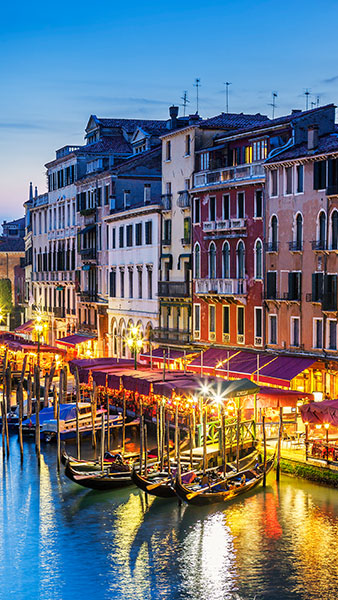
Europe is one of the most historically and culturally influential regions of the world, with roots stretching back to ancient civilizations such as Greece and Rome. Often regarded as the birthplace of Western civilisation, Europe has shaped global progress through advancements in philosophy, science, art, literature, and governance. From the Renaissance and the Enlightenment to the Industrial Revolution, Europe played a central role in defining modern society.
Its rich cultural diversity reflects a unique blend of traditions, languages, and religions across the continent, while its geography connects it to Asia and Africa, making it a crossroads of trade and ideas. Europe was also an early hub for Christianity, which deeply influenced its culture, architecture, and politics.
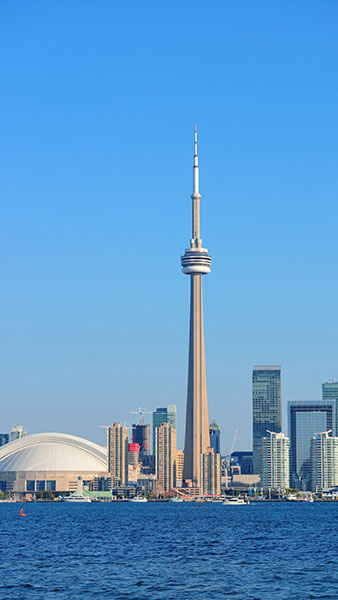
Canada is one of the world’s largest countries, known for its vast landscapes, multicultural heritage, and stable governance. With human presence dating back thousands of years, Canada’s Indigenous peoples built diverse and rich societies long before European arrival. The country became a significant part of global history in the 16th and 17th centuries with the arrival of French and British settlers, leading to centuries of cultural blending and political transformation.
Stretching from the Atlantic to the Pacific and northward into the Arctic, Canada’s geography includes mountains, forests, lakes, and prairies, making it one of the most resource-rich and naturally beautiful countries in the world. It is also a bilingual nation, with English and French as official languages, reflecting its historical roots. Canada’s national identity embraces diversity, welcoming people from across the globe, and its society is often described as inclusive, peaceful, and progressive.
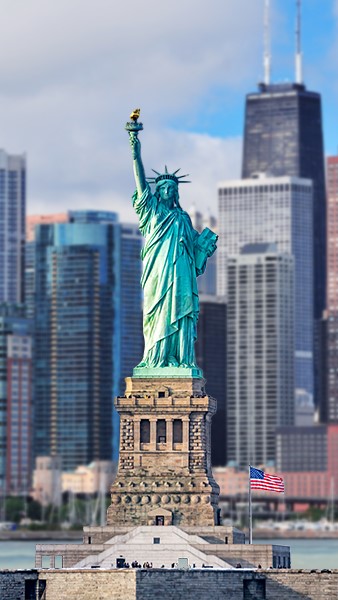
The United States of America (USA) has one of the most influential modern histories, emerging in the late 18th century after declaring independence from Great Britain in 1776. Considered a global leader in democracy and innovation, the USA pioneered advancements in science, technology, economy, and culture that shaped the modern world. Its rich cultural heritage reflects a unique blend of Native American roots, European colonisation, African heritage, and continuous immigration from all over the globe. The USA played a central role in both World Wars and emerged as a superpower in the 20th century, leading the way in international politics, economics, and space exploration. Today, the United States is recognised for its diverse society, democratic values, and global influence in nearly every sphere of modern civilisation.
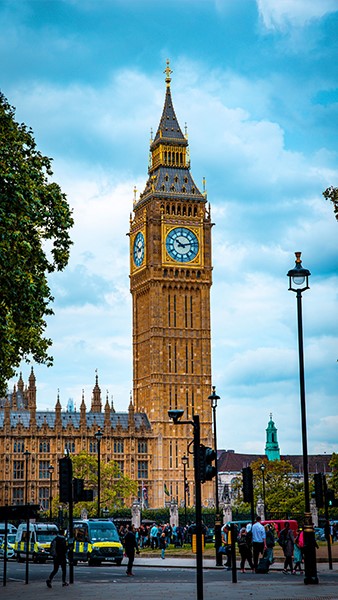
The United Kingdom (UK) has one of the most influential histories in the modern world, with its heritage stretching back to ancient times through the Anglo-Saxons, Normans, and the unification of England, Scotland, Wales, and later Northern Ireland. Considered the birthplace of the Industrial Revolution, the UK led advancements in science, technology, literature, and global trade, shaping the modern era. Its rich cultural legacy reflects a blend of traditions from Europe, the Commonwealth, and beyond, making it a truly global nation.
The UK was a key centre of Christianity for centuries, with the Church of England playing a major role in national identity. Over time, it evolved into a constitutional monarchy with a parliamentary democracy, inspiring many governance systems worldwide. Modern Britain is known for its contributions in education, finance, innovation, and culture, while London stands as one of the world’s most influential cities.
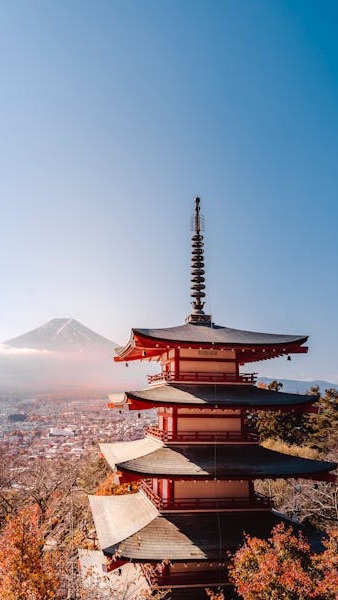
Japan boasts one of the most continuous and fascinating histories in the world, tracing its cultural and political roots back to the Jōmon period around 14,000 BCE. Renowned as a cradle of East Asian civilisation, Japan developed early forms of writing, craftsmanship, governance, and spiritual tradition through Shinto and later Buddhism. Its rich heritage reflects a balance between deep-rooted tradition and cutting-edge modernity. Shaped by centuries of samurai rule, imperial power, and cultural refinement, Japan emerged from isolation in the 19th century to become a major global force. Modern Japan was established with the Meiji Restoration in 1868, evolving into a constitutional monarchy that today stands as a symbol of innovation, discipline, and cultural continuity in Asia.

Australia has one of the world’s oldest continuous cultures, with human habitation dating back at least 65,000 years through its Indigenous peoples. Considered a land of unique biodiversity and natural wonders, ancient Aboriginal and Torres Strait Islander cultures developed complex social systems, art, and spiritual traditions deeply connected to the land. Australia’s long and diverse heritage is a core part of its national identity, reflecting its position as both a Pacific and Southern Hemisphere nation. European colonization began in the late 18th century, bringing British settlement, convicts, and new governance structures. Modern Australia was established as a federation of states in 1901, evolving into a constitutional monarchy and parliamentary democracy, and today is recognized for its multicultural society, economic strength, and global influence.
Australia has one of the world’s most ancient continuous cultures, with Indigenous peoples tracing their heritage back at least 65,000 years. Considered a land of remarkable biodiversity and natural wonders, early Aboriginal and Torres Strait Islander societies developed sophisticated traditions in art, spirituality, and social organisation deeply connected to the land. Australia’s rich and diverse cultural heritage is a central part of its national identity, reflecting its unique position as a Pacific nation with both Indigenous and European influences shaping its history and society.